
With Adaptive sports and recreation at the forefront, this topic invites you to explore the empowering world where inclusivity meets athleticism. Adaptive sports not only enhance physical fitness but also significantly boost mental well-being, fostering a sense of belonging among individuals with disabilities.
From wheelchair basketball to adaptive skiing, the variety of sports available showcases the resilience and spirit of participants. These activities not only promote individual health but also encourage community engagement, breaking down barriers and building friendships through shared experiences.
Importance of Adaptive Sports
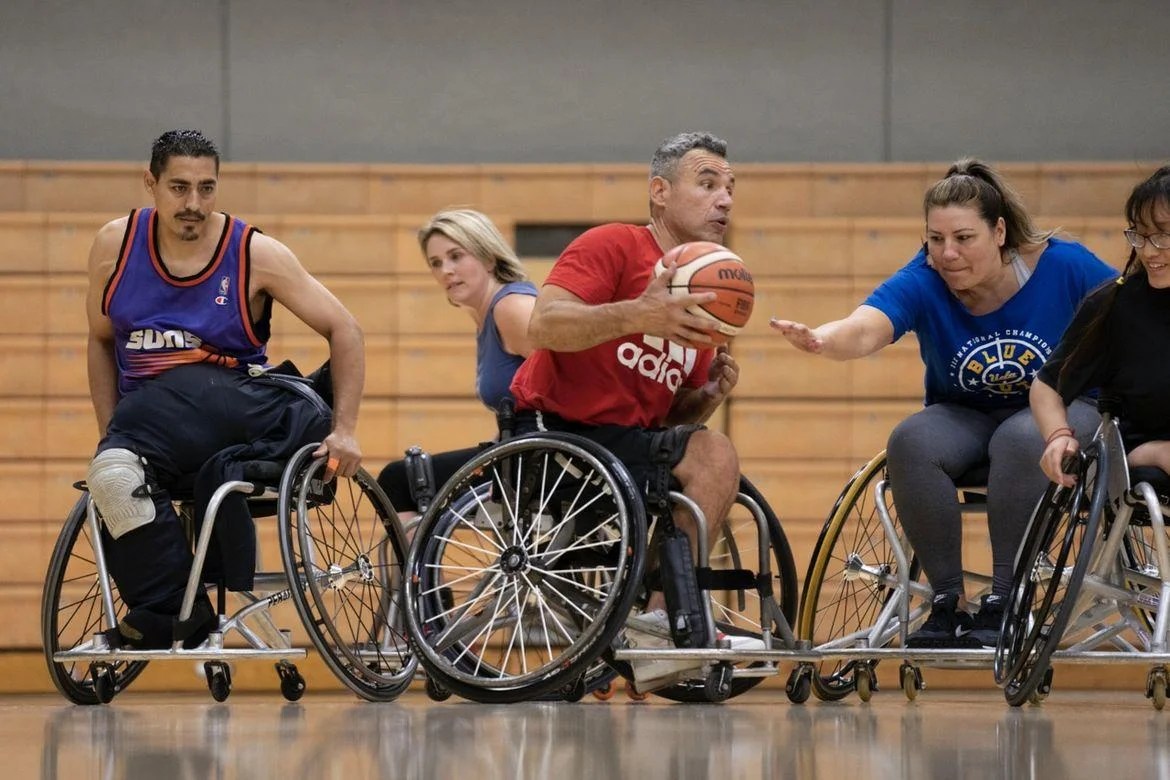
Adaptive sports play a crucial role in enhancing the quality of life for individuals with disabilities. They provide opportunities for physical activity, create a sense of community, and foster personal growth. By participating in adaptive sports, athletes can experience significant improvements in both physical and mental health, while also finding a sense of belonging and purpose.The benefits of adaptive sports extend beyond just physical fitness.
Engaging in these activities can lead to improved mental health, including decreased symptoms of depression and anxiety. Athletes often report increased self-esteem and confidence, which can transform their overall outlook on life. Additionally, adaptive sports serve as a platform for social inclusion, allowing individuals to connect with others who share similar experiences.
Benefits for Physical and Mental Health
Participating in adaptive sports has been shown to yield numerous health benefits. These benefits include:
- Improved Physical Health: Engaging in regular physical activity helps to strengthen muscles, enhance cardiovascular health, and improve mobility.
- Mental Well-being: Participation can lead to reduced feelings of isolation and improved mental health outcomes, including lower stress levels and enhanced mood.
- Increased Confidence: Successfully participating in sports can boost self-esteem and provide a sense of achievement.
The benefits of adaptive sports further extend to social inclusion and community engagement.
Promotion of Social Inclusion and Community Engagement
Adaptive sports are instrumental in breaking down barriers and fostering connections within communities. They promote social inclusion by allowing individuals with disabilities to interact with their peers in a supportive environment. This inclusivity contributes to a stronger sense of community and belonging.
- Community Building: Adaptive sports events often attract diverse participants and spectators, creating opportunities for interaction and relationship-building.
- Awareness and Advocacy: These sports raise awareness about disability issues, fostering greater empathy and understanding among the public.
- Volunteer Involvement: Many community members engage as volunteers, which enhances community ties and demonstrates support for adaptive athletes.
Popular adaptive sports include wheelchair basketball, adaptive rowing, and sitting volleyball, each providing unique benefits to participants.
Examples of Popular Adaptive Sports
Athletes have numerous options when it comes to adaptive sports, each offering distinct advantages and community experiences.
- Wheelchair Basketball: This fast-paced sport enhances agility and teamwork while promoting cardiovascular fitness and social interaction.
- Adaptive Rowing: Rowing provides full-body workouts and fosters a strong sense of camaraderie among participants, often leading to lifelong friendships.
- Sitting Volleyball: This sport highlights adaptability and inclusivity, allowing players of various abilities to compete on equal footing.
The impact of these sports on participants is profound, as they not only improve physical capabilities but also enrich emotional and social dimensions of life.
Recreational Opportunities for Individuals with Disabilities
Recreational activities play a vital role in enhancing the quality of life for individuals with disabilities. They provide a sense of belonging, promote physical health, and foster social connections. The variety of adaptive sports and recreational programs available today ensures that everyone can engage in activities that suit their interests and abilities.Numerous recreational opportunities exist for individuals with disabilities, ranging from sports to arts and outdoor adventures.
These activities not only encourage physical fitness but also empower participants by fostering independence and confidence. Below are some of the most common recreational activities available:
Types of Recreational Activities
A broad spectrum of recreational activities allows individuals with disabilities to explore their interests and capabilities. These activities not only cater to various physical abilities but also ensure inclusivity within the community. Some key options include:
- Adaptive Sports: Modified sports such as wheelchair basketball, adaptive skiing, and swimming provide competitive and leisurely options for individuals with physical disabilities.
- Arts and Crafts: Programs that focus on creative expression through painting, pottery, and other artistic endeavors help individuals enhance their motor skills while enjoying the therapeutic benefits of art.
- Outdoor Adventures: Activities like adaptive hiking, kayaking, and rock climbing offer exciting ways to experience nature and improve physical fitness.
- Dance and Movement: Adaptive dance classes allow individuals to express themselves rhythmically, promoting physical coordination and social interaction.
- Inclusive Fitness Programs: Gyms and community centers often offer specialized fitness classes designed for individuals with disabilities, focusing on strength training, yoga, and aerobics.
The role of local organizations and programs in promoting adaptive recreation is essential. These organizations not only provide resources and facilities but also create inclusive environments where individuals with disabilities can thrive. They often collaborate with schools, community centers, and recreational facilities to ensure that adaptive activities are widely accessible.
Impact of Local Organizations and Programs
Local organizations are instrumental in expanding recreational opportunities for individuals with disabilities. They offer structured programs that cater to various skill levels and interests, ensuring that everyone has the chance to participate. These organizations also work on raising awareness about adaptive sports. Here are some examples of their involvement:
- Organizing events and competitions: Events like adaptive sports tournaments help raise visibility and encourage participation, creating a supportive community.
- Providing trained instructors: Many local programs employ instructors who specialize in adaptive recreation, ensuring safe and effective participation.
- Offering transportation services: Some organizations provide transportation to and from recreational activities, removing barriers to access for many individuals.
- Fundraising for equipment and facilities: Local organizations often run campaigns to acquire specialized equipment needed for adaptive sports, ensuring that financial constraints do not limit participation.
Personal stories of individuals who have benefited from adaptive recreational activities highlight the transformative power of these programs. For instance, consider the story of Sarah, a young woman with a spinal cord injury. After joining a local adaptive swimming program, Sarah not only improved her physical health but also gained a close-knit group of friends who share similar experiences. Her confidence blossomed as she participated in swim competitions, ultimately inspiring her to advocate for others with disabilities.Another touching story is that of Mark, who found joy and camaraderie through wheelchair basketball.
Initially hesitant, Mark developed his skills and eventually led his team to a local championship. His journey exemplifies how adaptive sports can cultivate determination, resilience, and a sense of purpose.Through diverse recreational opportunities and the dedication of local organizations, individuals with disabilities are empowered to lead active, fulfilling lives, fostering community connections and personal growth.
Related Insurance Considerations
Understanding the various insurance considerations is vital for individuals with disabilities involved in adaptive sports and recreation. These considerations not only provide financial security but also ensure that participants can access necessary services without undue stress. Insurance plays a significant role in enhancing the adaptive sports experience by reducing barriers and promoting inclusivity.
Importance of Dental Insurance for Adaptive Sports Participants
Dental insurance holds particular significance for individuals with disabilities engaging in adaptive sports. Accidents can occur during sports activities, potentially leading to dental injuries or emergencies. Having dental coverage ensures that participants can receive prompt and necessary treatment without facing financial burdens. This coverage often includes:
- Emergency dental care for injuries sustained during activities.
- Routine check-ups to maintain oral health, which can be essential for overall well-being.
- Specialized services tailored to the unique needs of individuals with disabilities.
Dental health is crucial for enhancing quality of life and preventing complications.
Health Insurance and Access to Adaptive Recreation Programs
Health insurance plays a critical role in enabling access to adaptive recreation programs. It often covers various services essential for participation, including physical therapy, medical assessments, and rehabilitation services. The presence of health insurance can facilitate:
- Access to specialized medical professionals who understand the unique requirements of adaptive sports.
- Coverage for necessary equipment, such as wheelchairs or prosthetics, which may be needed for participation.
- Reimbursement for therapy sessions that help improve physical capabilities and overall health.
These aspects underscore how health insurance can significantly impact an individual’s ability to participate in adaptive sports effectively.
Flood Insurance Options for Adaptive Sports Facilities
Many adaptive sports facilities are located in areas prone to natural disasters, including floods. Hence, it is crucial for these facilities to consider flood insurance to protect their infrastructure and programs. Available options often include:
- Standard flood insurance policies through the National Flood Insurance Program (NFIP).
- Private insurers offering additional coverage that may exceed federal policy limits.
- Business interruption coverage to protect against loss of income during facility repair periods.
These insurance options help ensure that adaptive sports facilities can recover quickly and continue serving individuals with disabilities after a disaster.
Disability Insurance Options Supporting Adaptive Sports Involvement
Disability insurance is essential for individuals engaged in adaptive sports, providing financial support in case of injury or illness affecting their ability to work. Various options include:
- Short-term disability insurance that offers immediate coverage post-injury or surgery.
- Long-term disability insurance for those facing prolonged recovery periods.
- Specialized policies that cater to athletes and cover specific risks associated with adaptive sports.
These disability insurance options can provide peace of mind, allowing individuals to focus on their participation and development in adaptive sports without the fear of financial instability.
Epilogue
In conclusion, adaptive sports and recreation are vital avenues for empowerment, health, and social connectivity for individuals with disabilities. By embracing these opportunities, we can create a more inclusive society where everyone has the chance to thrive, play, and enjoy a sense of community.
Quick FAQs
What are adaptive sports?
Adaptive sports are modified sports designed to accommodate individuals with disabilities, allowing them to participate in physical activities alongside their peers.
How can I get involved in adaptive sports?
You can get involved by reaching out to local organizations, community centers, or adaptive sports programs that offer training and resources for participants.
Are adaptive sports only for individuals with severe disabilities?
No, adaptive sports are for individuals with a wide range of disabilities, from mild to severe, and are designed to be inclusive for all abilities.
Can adaptive sports improve mental health?
Yes, participation in adaptive sports is linked to improved mental health by reducing feelings of isolation and increasing confidence and social interaction.
What types of insurance are important for adaptive sports participants?
Dental insurance, health insurance, and disability insurance are crucial for those engaging in adaptive sports to ensure safety and access to necessary services.


