
Accessible home design ideas open up a world where everyone can enjoy their living spaces without barriers. Whether you’re designing a new home or modifying an existing one, embracing universal design principles ensures that your space is welcoming and functional for all. From simple adjustments to sophisticated technology, the possibilities are both exciting and essential.
In this discussion, we’ll explore the core principles of accessible home design, highlight crucial features that enhance everyday living, and touch on important insurance considerations that inform the planning and execution of accessible modifications. Let’s dive into creating homes that cater to everyone’s needs.
Accessible Home Design Principles
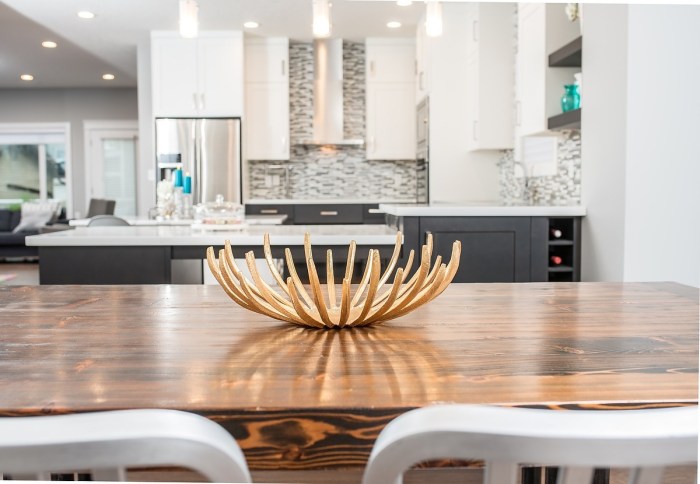
Accessible home design is centered around creating living spaces that are not only functional but also accommodating for people with diverse needs. These principles ensure that individuals of all abilities can navigate and enjoy their homes comfortably. By embracing accessible design, we contribute to a more inclusive environment that enhances quality of life and promotes independence.The fundamental principles of accessible home design encompass a variety of elements that can be integrated into residential spaces.
Incorporating universal design principles allows for seamless usability across generations and abilities. Key aspects to consider include mobility, spatial considerations, and the adaptability of spaces to meet changing needs over time.
Universal Design Elements
Universal design elements are critical in fostering an inclusive living environment. These design strategies seek to eliminate barriers and provide equal access to all users. When planning accessible spaces, certain features can enhance usability significantly:
- Wide Doorways and Hallways: Ensure that doorways are at least 32 inches wide and hallways are a minimum of 36 inches wide to allow for easy movement of wheelchairs or walkers.
- No-Step Entries: Design entrances without steps, using ramps or sloped surfaces to facilitate access for everyone.
- Lever Handles: Replace traditional doorknobs with lever handles, which are easier to operate for those with limited hand strength.
- Adjustable Counter Heights: Incorporate countertops and workspaces that can be adjusted for different users, including those in wheelchairs.
- Accessible Bathroom Fixtures: Install grab bars, roll-in showers, and raised toilets to promote safety and comfort in bathing and toileting routines.
Mobility and Space Considerations
Mobility is a critical aspect of home design, particularly for individuals with physical disabilities. The layout of a home must prioritize ease of movement to prevent obstacles and promote independence. Essential considerations include:
- Flooring Choices: Select non-slip, smooth surfaces that reduce the risk of falls and allow for easy navigation with mobility aids.
- Open Floor Plans: Create open living areas that minimize unnecessary walls and barriers, allowing for fluid movement throughout the space.
- Placement of Furniture: Arrange furniture to ensure clear pathways and avoid clutter, making it easier for individuals to navigate around the home.
- Lighting Considerations: Install bright, even lighting, and consider using motion-sensor lights in hallways and entryways to enhance visibility without requiring manual switches.
Creating accessible homes is not just about compliance; it’s about fostering a sense of belonging and enhancing the quality of life for everyone.
Features of Accessible Homes
Creating an accessible home involves integrating thoughtful design features aimed at improving mobility and convenience for individuals with disabilities. These enhancements not only promote independence but also ensure safety and functionality in daily living. By prioritizing accessibility, homes can become more welcoming spaces for everyone, regardless of their physical capabilities.Key features to consider when designing accessible homes include ramps for entryways, wider doorways, and grab bars in strategic locations.
These elements significantly improve navigation and usability for those who may use wheelchairs or have limited mobility. Additionally, the incorporation of smart home technology can further enhance living experiences by providing innovative solutions for managing daily tasks.
Essential Modifications for Bathrooms and Kitchens
Bathrooms and kitchens are two critical areas where accessibility modifications can make a substantial difference. Implementing the right changes can facilitate ease of use and comfort. Below is a checklist of modifications to consider for enhancing accessibility in these spaces:
- Install grab bars in showers, tubs, and near toilets to provide support.
- Opt for a walk-in shower with a bench to eliminate the need for climbing into a tub.
- Incorporate lever-style faucets that are easier to operate than traditional knobs.
- Ensure countertops are at a height suitable for wheelchair users or those who prefer sitting.
- Use non-slip flooring to prevent accidents in wet areas.
- Install a handheld showerhead for flexible bathing options.
- Choose a toilet with a higher seat to facilitate easier transfers.
Incorporating Technology for Enhanced Accessibility
Technology plays a vital role in supporting individuals with disabilities, enabling them to perform daily activities with greater ease. Here are some ideas on how to integrate technology into accessible home design:
- Smart home systems can control lighting, heating, and security through voice commands or mobile apps, making it easier for users with limited mobility.
- Voice-activated assistants can provide reminders for medication, appointments, and other daily tasks.
- Automated doors and window openers can be installed to enhance accessibility without physical strain.
- Motion-sensor lighting can illuminate pathways and high-traffic areas automatically, minimizing the risk of falls.
- Assistive devices, like smart wheelchairs or mobility scooters, can be integrated for better navigation in and around the home.
Accessible home design is not just about meeting physical needs; it’s about fostering independence, dignity, and quality of life.
Insurance Considerations for Accessible Homes
Ensuring that a home is accessible comes with various considerations, particularly when it comes to insurance. Different types of insurance can play crucial roles in protecting homeowners and their investments while accommodating the unique needs that arise from accessibility modifications.
Dental Insurance and Home Healthcare Needs
While dental insurance typically covers oral health expenses, it can also be relevant in the context of home healthcare needs. Many individuals requiring in-home healthcare services may need assistance with oral hygiene routines, especially if mobility is a concern. Coverage for dental care within a broader home healthcare plan can alleviate the financial burden of regular dental check-ups and treatments, ensuring that overall health remains a priority.
Home modifications, such as wider doorways and accessible sinks, can facilitate these dental care services, making it easier for caregivers to assist those in need.
Importance of Disability Insurance for Accessible Home Modifications
Disability insurance serves as a financial safety net for individuals who become unable to work due to a disability. This type of insurance allows policyholders to receive a portion of their income while they adapt to their circumstances. For those requiring accessible home modifications, disability insurance can provide the necessary funds to cover renovations that improve mobility and safety within the home.
Such modifications may include installing ramps, grab bars, or wider doorways, all of which can significantly enhance the quality of life for individuals with disabilities.
Flood Insurance Options for Accessible Homes in Flood-Prone Areas
Accessible homes located in flood-prone areas face unique challenges when it comes to insurance. Flood insurance is essential for protecting these homes from potential water damage, which can be particularly detrimental to accessibility features. Homeowners in such areas should consider the following options:
- Standard Flood Insurance: This type of insurance, typically provided through the National Flood Insurance Program (NFIP), covers damage caused by flooding, including damage to accessibility modifications.
- Private Flood Insurance: Some private insurers offer flood policies that may include additional benefits, such as coverage for specialized accessibility equipment.
- Elevation Certificates: Homes that are elevated above base flood elevation may qualify for lower premiums, making them a smart investment for accessible design.
Investing in the right flood insurance is essential for homeowners to protect their assets and ensure that accessibility features are safeguarded against flood risks.
Health Insurance Coverage for Accessibility Modifications
Health insurance can play a vital role in covering costs associated with accessibility modifications. Depending on the plan, some health insurance policies may cover the costs of specific modifications deemed medically necessary. Examples of such modifications include:
- Bathroom Modifications: Health insurance may help cover the installation of grab bars or walk-in tubs for individuals with mobility challenges.
- Wheelchair Ramps: If a physician prescribes a wheelchair ramp to enhance mobility, some health plans might consider this necessary and provide coverage.
- Home Assessments: Some policies may cover home assessments by occupational therapists, who can recommend necessary modifications for improved accessibility.
Understanding the specifics of health insurance coverage can help individuals make informed decisions about the modifications needed to create accessible living spaces.
Concluding Remarks
In conclusion, accessible home design is not just a trend; it’s a necessity that promotes inclusivity and comfort for all residents. By understanding key design principles, integrating essential features, and being aware of insurance implications, we can create spaces that are not only practical but also enriching. Let’s advocate for accessibility and make our homes places of ease and joy for everyone.
FAQ Corner
What is accessible home design?
Accessible home design refers to creating living spaces that accommodate individuals of all abilities, ensuring ease of movement and usability.
How can technology assist in accessible home design?
Technology can enhance accessibility through smart home devices, automated systems, and assistive technologies tailored for individuals with disabilities.
Are there grants available for making homes accessible?
Yes, various government and nonprofit organizations offer grants and funding opportunities to assist with home modifications for accessibility.
What are some common modifications for bathrooms?
Common modifications include installing grab bars, using walk-in showers, and ensuring that sinks are wheelchair accessible.
How do I choose the right insurance for an accessible home?
It’s essential to compare policies that cover home modifications and consult with an insurance agent familiar with accessible living needs.


