Dental insurance with orthodontic coverage lays the groundwork for understanding how essential this type of insurance can be in maintaining oral health. It encompasses not just basic dental care, but also the added benefit of orthodontic treatments, which can significantly improve both the aesthetic and functional aspects of a person’s smile. This overview will delve into the specifics of dental insurance and highlight the importance of including orthodontic coverage in your policy.
With a variety of plans available, it’s crucial to know what orthodontic coverage entails and the advantages it offers. From braces to retainers, orthodontic treatments can come with hefty price tags, and having the right insurance can make these options accessible for families and individuals alike.
Overview of Dental Insurance with Orthodontic Coverage
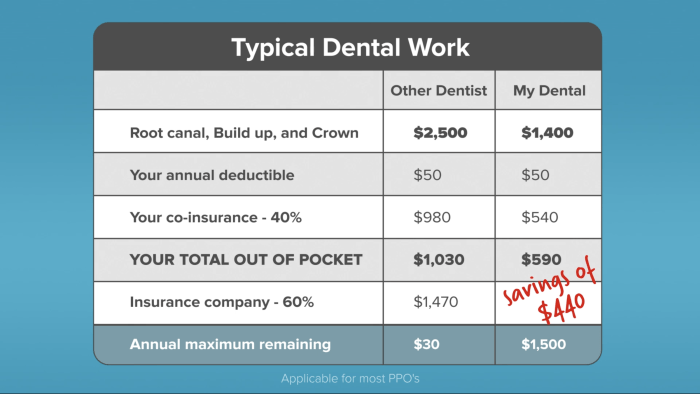
Dental insurance plays a crucial role in maintaining oral health, providing financial support for necessary dental procedures. Within this framework, orthodontic coverage emerges as an essential component for individuals seeking to improve their dental alignment and overall smile. This type of coverage is particularly significant for both children and adults, as it addresses common orthodontic needs such as braces and other corrective treatments.Orthodontic coverage within dental insurance plans specifically focuses on the financial aspects of orthodontic treatments.
This includes services such as braces, retainers, and various other appliances that assist in correcting teeth alignment and jaw positioning. Typically, these plans define what types of orthodontic procedures are covered, the percentage of costs that will be reimbursed, and any waiting periods that may apply before coverage begins.
Benefits of Orthodontic Coverage
Having orthodontic coverage as part of a dental insurance policy provides multiple advantages that contribute to both oral health and financial well-being. The following points Artikel the key benefits:
- Affordability: Orthodontic treatments can be expensive, often costing thousands of dollars. Insurance coverage helps alleviate the financial burden, making braces and other orthodontic services more accessible.
- Improved Oral Health: Proper alignment of teeth not only enhances appearance but also promotes better oral hygiene. Correctly aligned teeth are easier to clean, reducing the risk of cavities and gum disease.
- Enhanced Confidence: A well-aligned smile can boost self-esteem, especially in children and teenagers during formative years. Orthodontic coverage enables families to invest in their children’s confidence through improved smiles.
- Long-term Investment: Investing in orthodontics can lead to healthier teeth in the long run. This preventive approach may reduce future dental problems and associated costs.
“Orthodontic coverage transforms smiles and lives by making essential treatments financially feasible for many families.”
Comparison of Different Dental Insurance Plans
When considering dental insurance with orthodontic coverage, it’s essential to compare different plans to find the best fit for your needs. Each plan can vary significantly in terms of coverage, benefits, and costs. By understanding the options available, you can make a more informed decision that aligns with your dental care needs and budget.
Popular Dental Insurance Plans Offering Orthodontic Coverage
There are several dental insurance plans that specifically include orthodontic coverage, which can be invaluable for families with children needing braces or adults considering orthodontic treatment. Below are some of the most popular plans:
- Delta Dental: Delta Dental offers a variety of plans that include orthodontic coverage. Their plans typically cover a percentage of the overall orthodontic treatment costs, making them a popular choice for families.
- Cigna: Cigna’s dental insurance plans often include comprehensive orthodontic benefits, covering a portion of braces and other orthodontic appliances after a waiting period.
- Aetna: Aetna provides plans that cover a significant portion of orthodontic expenses, often with no annual maximum limit on benefits, which is favorable for extensive treatments.
- UnitedHealthcare: UnitedHealthcare offers plans that include orthodontic care, often with flexible options for both individuals and families, ensuring coverage for various treatments.
Cost Comparison of Dental Insurance Plans with Orthodontics
The costs associated with dental insurance plans that include orthodontics can vary widely based on the coverage level, geographic location, and the specific plan features. Understanding the financial obligations is crucial in making a choice.
- Premiums: Most plans charge monthly premiums, which can range from $30 to $100. Premiums may be higher for plans with more extensive orthodontic coverage.
- Deductibles: Many plans require an annual deductible that ranges from $50 to $150 before the orthodontic benefits kick in.
- Coinsurance: After the deductible is met, most plans cover a percentage of the costs. For orthodontic services, this typically ranges from 50% to 80% coverage.
- Lifetime Maximums: Many orthodontic plans have a lifetime maximum limit for orthodontic benefits, often between $1,000 and $2,500, which is important to consider when budgeting for treatment.
Key Factors to Consider When Selecting a Dental Insurance Plan with Orthodontic Coverage
Selecting the right dental insurance plan with orthodontic coverage involves evaluating several important factors to ensure it aligns with your specific dental care needs.
- Coverage Details: Review the specifics of what each plan covers regarding orthodontic treatments, including braces, retainers, and any necessary follow-up care.
- Provider Network: Ensure that your preferred orthodontist is included in the plan’s network, as this can significantly impact your out-of-pocket costs.
- Waiting Periods: Be aware of any waiting periods associated with orthodontic coverage, as some plans may require a waiting period before benefits become available.
- Flexibility of Plans: Consider whether the plan allows for upgrades or additional coverage options, especially if you anticipate needing extensive orthodontic work.
Related Insurance Types and Their Importance
Understanding the interconnectedness of various types of insurance can significantly enhance financial protection and peace of mind. While dental insurance with orthodontic coverage takes care of oral health needs, other forms of insurance such as disability and flood insurance play crucial roles in safeguarding both personal and professional aspects of a dental practice. Additionally, the relationship between dental and health insurance is essential, particularly when it comes to orthodontic treatments, ensuring comprehensive healthcare coverage for patients.
Disability Insurance and Dental Insurance
Disability insurance serves as an essential complementary policy to dental insurance by providing income replacement in the event that a dental professional becomes unable to work due to illness or injury. This ensures that practitioners can maintain their financial stability and continue to afford necessary business expenses, including the costs associated with employee salaries and equipment maintenance. The importance of having disability coverage lies in its ability to safeguard against unexpected disruptions in income.
Disability insurance can help dental professionals manage their financial obligations even when faced with health challenges.
Flood Insurance in Dental Practice Locations
Flood insurance is particularly relevant for dental practices located in areas prone to flooding. Natural disasters can cause significant damage to dental facilities, impacting both equipment and patient records. This type of insurance protects against property loss and allows practices to recover more swiftly. It is crucial for dental professionals to assess their location’s flood risk and consider investing in flood insurance to mitigate the financial repercussions of such events.
Having flood insurance is a proactive approach for dental practices to ensure continuity of care and protect their investment.
Interaction Between Health Insurance and Dental Insurance
The interaction between health insurance and dental insurance is especially pertinent when it comes to orthodontic treatments. Many health insurance plans provide limited coverage for orthodontic procedures, which are often considered necessary for overall health rather than purely cosmetic. This can include treatments for misalignments that may cause dental or jaw problems. Dental insurance plans frequently work in conjunction with health insurance to cover a broader range of orthodontic services, providing patients with more comprehensive care options.
For instance, some health insurance plans may cover the initial assessment and diagnosis needed for orthodontic treatment, while dental insurance can cover the actual braces or other corrective treatments.
The collaboration between health and dental insurance allows for a more holistic approach to orthodontic care.
Closing Notes
In summary, understanding dental insurance with orthodontic coverage is vital for making informed decisions regarding oral health. By exploring various plans and their specific benefits, you can ensure that you and your loved ones receive the best possible care. Don’t underestimate the power of a well-rounded dental plan that includes orthodontics; it can save you money while providing you with a confident, beautiful smile.
Top FAQs
What is orthodontic coverage in dental insurance?
Orthodontic coverage refers to insurance benefits specifically for treatments like braces or aligners that correct misaligned teeth and jaws.
Are all dental insurance plans required to include orthodontic coverage?
No, not all dental insurance plans include orthodontic coverage; it’s often considered an optional add-on.
How do I know if my plan covers orthodontic treatments?
You can determine coverage by checking your policy documents or contacting your insurance provider directly for specifics.
Can I get orthodontic coverage for pre-existing conditions?
This varies by plan; some may cover pre-existing conditions while others may have waiting periods or exclusions.
What age is best to get orthodontic coverage?
It’s generally recommended to assess orthodontic needs around age 7, but coverage can be beneficial at any age if treatment is necessary.