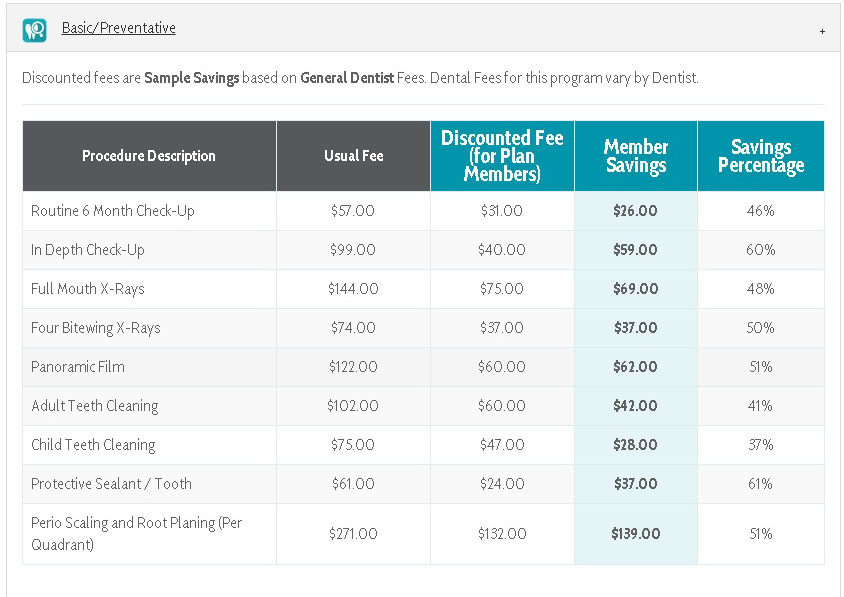
High-deductible dental plans are an intriguing option for individuals seeking to manage their dental expenses. These plans offer a different approach compared to traditional dental insurance, often appealing to those who prefer lower premiums and are willing to cover more out-of-pocket costs. Understanding the nuances of these plans can help you make informed decisions regarding your dental health and financial responsibilities.
As we delve into high-deductible dental plans, we’ll explore their unique structure, the benefits and challenges they present, and how they compare to traditional options. This knowledge will empower you to choose the best plan for your individual needs while navigating the complexities of dental insurance.
Understanding High-Deductible Dental Plans
High-deductible dental plans are designed to offer a different approach to dental care coverage, contrasting sharply with traditional dental insurance. These plans typically involve higher out-of-pocket costs before insurance coverage kicks in, which can affect how policyholders manage their dental health expenses.High-deductible dental plans operate on a simple premise: they require individuals to pay a larger deductible before the insurance provider starts covering costs.
Unlike traditional plans, which may cover preventive care at little or no cost, high-deductible plans often require patients to meet their deductible before any benefits are available. This structure can lead to significant savings in premiums but also poses challenges, particularly for those who require extensive dental work.
Benefits and Drawbacks of High-Deductible Plans
Understanding the pros and cons of high-deductible dental plans can help individuals make informed choices about their dental health coverage. Benefits include:
Lower Monthly Premiums
One of the most appealing aspects of high-deductible plans is that they typically come with lower monthly premiums compared to traditional plans. This can be particularly advantageous for those who do not expect to need extensive dental care.
Flexibility in Care Choices
Patients may have more freedom to choose their dentists and treatments, as these plans often do not limit the choice of providers as strictly as some traditional plans do.
Health Savings Accounts (HSAs)
Many high-deductible plans qualify for Health Savings Accounts, which allow individuals to save money tax-free for medical expenses, including dental care. Drawbacks include:
High Out-of-Pocket Costs
Until the deductible is met, patients are responsible for all dental expenses, which can lead to unexpectedly high costs, especially for procedures like root canals or crowns.
Potential Avoidance of Necessary Care
The high costs associated with meeting the deductible may lead some individuals to postpone necessary dental treatments, potentially worsening their oral health over time.
Limited Coverage Initially
Many high-deductible plans have strict coverage limits for certain services or may not cover them at all until the deductible is met, leading to confusion about what is actually covered.
Typical Cost Structures and Coverage Limits
In high-deductible dental plans, cost structures can vary significantly between different providers and plans. Typically, individuals can expect the following structures:
Deductibles
The deductibles for these plans generally range from $1,000 to $2,500 or more, depending on the specific plan and provider. This means that individuals must pay this amount out of pocket before their insurance starts contributing.
Co-payments and Coinsurance
After meeting the deductible, patients may still be responsible for a percentage of costs through coinsurance. Commonly, this could be around 20% to 50% of costs for specific treatments, depending on the plan.
Annual Maximum Limits
Many high-deductible plans impose annual maximum limits on what the insurance will pay. This means once the limit is reached, the patient will need to bear all future costs. Typical maximums can range from $1,000 to $2,500.In summary, while high-deductible dental plans offer lower premiums and certain flexible options, they also require significant out-of-pocket expenses that can impact access to necessary dental care.
Understanding these elements is crucial for anyone considering this option for dental insurance.
Comparison with Other Types of Insurance
High-deductible dental plans offer unique features that set them apart from more traditional dental insurance models. Understanding these differences is crucial for making informed choices about dental care financing. In this section, we will explore how high-deductible dental plans compare to traditional dental insurance, disability insurance related to dental needs, and how they fit within the broader context of health and flood insurance.
Comparison with Traditional Dental Insurance
High-deductible dental plans differ significantly from traditional dental insurance, particularly regarding coverage and out-of-pocket costs. Traditional dental insurance typically features lower deductibles and covers a wider range of services, often including preventive care, basic procedures, and sometimes major treatments at a set co-payment. Below are key aspects where they differ:
- Deductibles: Traditional plans usually have lower out-of-pocket deductibles, encouraging early dental visits without significant upfront costs.
- Coverage Limitations: High-deductible plans may limit coverage for certain procedures or require larger out-of-pocket payments before benefits kick in.
- Preventive Care Focus: Many traditional plans fully cover preventive care, while high-deductible plans may require initial payments that can discourage routine check-ups.
- Annual Maximums: Traditional insurance often has annual maximums that cap payouts, while high-deductible plans may have varying limits that affect total out-of-pocket expenses over the year.
Comparison with Disability Insurance for Dental Care Needs
Disability insurance mainly focuses on providing income replacement if a person becomes unable to work due to illness or injury, but it does not directly cover dental care needs. High-deductible dental plans, on the other hand, are specifically designed to address dental expenses regardless of employment status. Key points of differentiation include:
- Purpose: Disability insurance supports living expenses, while high-deductible dental plans focus solely on managing dental treatment costs.
- Eligibility: Disability insurance may require proof of a temporary or permanent disability, while high-deductible plans are accessible to anyone who enrolls regardless of health status.
- Benefits: High-deductible plans provide specific dental benefits, such as coverage for cleanings and major procedures, which are not found in disability policies.
Relation to Flood Insurance and Health Insurance Coverage Options
Flood insurance and health insurance generally serve broader purposes than dental insurance, yet understanding their interaction with high-deductible dental plans can be beneficial for comprehensive financial planning. Here are some comparisons:
- Focus of Coverage: Flood insurance protects against property damage from flooding, while health insurance covers general medical expenses. High-deductible dental plans focus specifically on dental health care costs.
- Risk Management: All three types of insurance serve as risk management tools, but high-deductible dental plans require a proactive approach to budget for dental expenses.
- Integration: While flood and health insurance might not directly affect dental coverage, it’s essential to have a holistic view when managing overall health and dental expenses, especially in case of unforeseen events.
High-deductible dental plans can be a cost-effective option for those who are willing to manage their dental expenses upfront, in contrast to traditional insurance that offers immediate coverage but often at a higher monthly premium.
Choosing the Right Plan
Selecting a high-deductible dental plan can be a pivotal decision, as it directly affects your oral health expenses. Understanding your personal needs and preferences is essential in identifying a plan that aligns with your financial situation and dental care requirements. This section provides a comprehensive checklist and guide to aid in your decision-making process.
Checklist for Selecting a High-Deductible Dental Plan
Evaluating the right high-deductible dental plan involves considering several key factors. Below is a checklist to help streamline your selection process:
- Assess your dental health history: Review any past treatments and predict future dental needs to gauge the right coverage.
- Evaluate your budget: Determine your monthly budget for premiums versus potential out-of-pocket expenses based on your dental needs.
- Identify covered services: Ensure that essential services like cleanings, fillings, and emergencies are included in the plan.
- Check the provider network: Verify if your preferred dentists are part of the plan’s network to avoid unexpected costs.
- Understand the deductible amount: Know the deductible you will need to meet before the insurance starts to pay for services.
- Review annual limits: Check for any cap on payouts which may affect extensive dental work.
- Consider additional benefits: Look for wellness programs, discounts on preventive care, or other perks that may enhance the value of the plan.
Factors to Consider When Evaluating Dental Insurance Options
When comparing different high-deductible dental plans, it is crucial to evaluate various factors that influence your overall satisfaction with the plan. The following points are essential to consider:
- Premium costs: Compare monthly premiums across various plans to find one that fits your financial constraints.
- Service coverage: Different plans may offer various levels of coverage for preventive, basic, and major services.
- Waiting periods: Some plans may impose waiting periods for certain services, which could affect immediate dental needs.
- Claims process: Understand how claims are processed and whether it involves a straightforward online submission or extensive paperwork.
- Customer service: Research customer reviews on the insurance provider’s responsiveness and support.
- Renewability: Confirm that the plan can be renewed annually without substantial changes to your premium or coverage.
Navigating the Enrollment Process
The enrollment process for high-deductible dental plans can be straightforward when you are well-prepared. Here’s how to navigate it effectively:
- Gather necessary documentation: Ensure you have all required personal information, including social security numbers and prior dental records.
- Review plan details: Carefully read through the plan terms and conditions to avoid any surprises later.
- Submit your application: Follow the application instructions, whether online, via phone, or through paper forms, ensuring all information is accurate.
- Understand key terms: Familiarize yourself with essential terms such as “deductible,” “coinsurance,” and “maximum out-of-pocket” to make informed decisions.
- Confirm coverage start date: After enrollment, check when your coverage begins to plan your dental visits accordingly.
Closing Notes
In conclusion, high-deductible dental plans present a viable choice for many, striking a balance between affordability and coverage. By understanding their mechanics and comparing them to other insurance types, you can confidently select a plan tailored to your dental care needs. Equipped with the right information, you can take control of your dental health and financial well-being.
Common Queries
What is a high-deductible dental plan?
A high-deductible dental plan is a type of insurance where the insured pays a higher deductible before the plan covers any dental expenses.
Who should consider a high-deductible dental plan?
Individuals who are generally healthy and do not require frequent dental visits may find high-deductible plans more cost-effective.
Are preventive services covered in high-deductible dental plans?
Many high-deductible plans do cover preventive services, often at no additional cost, even before the deductible is met.
How do I know if a high-deductible dental plan is right for me?
Assess your dental health, frequency of visits, and financial situation to determine if the potential savings on premiums outweigh the higher out-of-pocket costs.
Can I switch to a traditional dental insurance plan later?
Yes, you can switch plans during the open enrollment period or if you qualify for special enrollment circumstances.


